
Table of Contents
The Cameroon parliament has amended the constitution, reintroducing the post of vice president that was abolished in 1972.
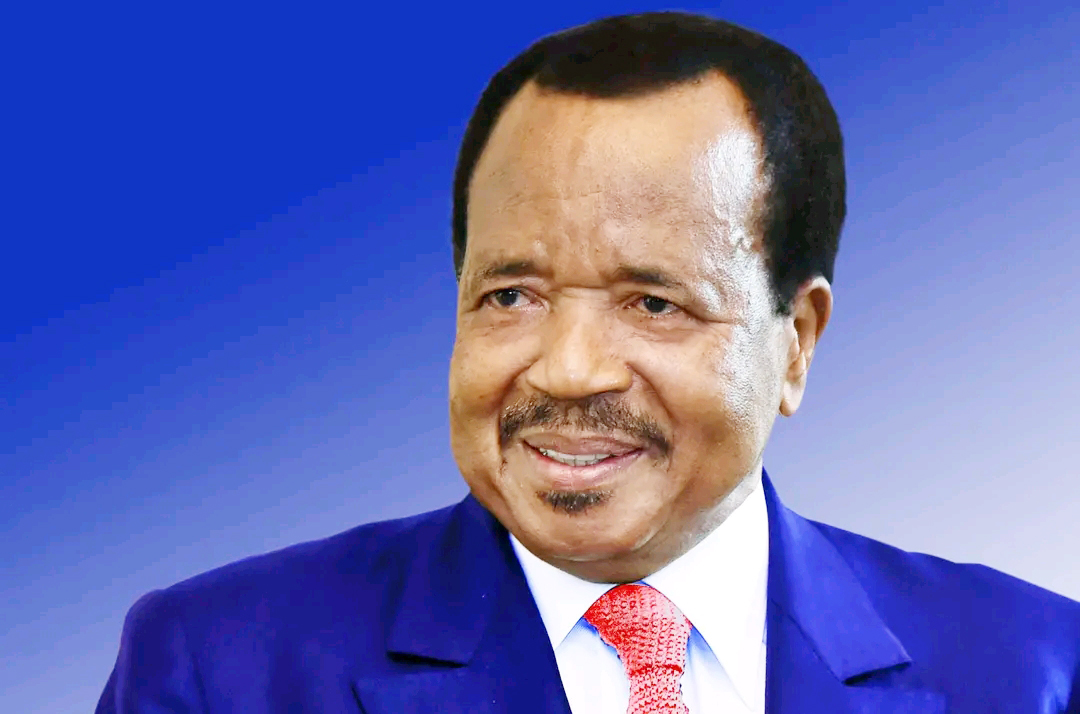
Though the position is not new to Cameroon, this time it comes with changes that some MPs say are suspicious. The current law allows President Paul Biya, 93, the world’s oldest leader, to appoint and sack his deputy. This is unlike before 1972 when both were elected by the people.
Aside from that, the law allows the VP to become the constitutional heir to the president, in case of any vacancy, hecompletesthe mandate
Vice president position faces stiff resistance from opposition
Though the bill has been enacted pending promulgation into law, it was highly criticized by opposition parliamentarians and some from the ruling party, the Cameroon People’s Democratic Movement (CPDM).
According to the leader of the opposition Social Democratic Front (SDF party), Joshua Osih, it does not reflect the democracy the Central African nation preaches.
“The creation of a vice president position, appointed without popular legitimacy, constitutes an autocratic drift that undermines national unity and the republican pact,” SDF chairman Joshua Osih said, calling “for a genuine democratic transition rather than a managed succession under the control of the ruling party.”
For others, such as Maurice Kamto, president of the Cameroon Renaissance Movement (CRM party), the action violates Article 64 of the Cameroon constitution. He has described it as a “constitutional coup.”
“Through the transfer of power by mutual agreement, the sitting president is establishing a constitutionally based monarchy, with a hereditary or nepotistic dynasty,” said Kamto.
“We denounce in the strongest possible terms this institutional power grab disguised as legality,” he added.
He has urged citizens to prevent “the political misfortune afflicting Cameroon from flourishing,”. He stated that “the sovereign people must remain confident and strong.”
For Issa Tchiroma Bakary, who has proclaimed himself the winner of last year’s presidential election, the amendment is unconstitutional, violates democratic principles, and plunges Cameroon into a monarchy.
CPDM says vice president position to ensure continuity
Though plagued by internal disagreements, the CPDM has argued that the amendment aims to ensure continuity of office and state institutions in case of any vacancy. During debates in parliament on Saturday, April 4, 2026, some CPDM parliamentarians boycotted, while others like Senator Rene Ze Nguele denounced it, calling the move “suspicious.” The bill reinstating post of vice president was adopted owing to the CPDM’s overdomineering margin in both houses.
“What happened in parliament is perfectly legal and legitimate,” Minister Jacques Fame Ndongo, also CPDM communication secretary, said. “Those complaining again and again can continue, for it will not change anything.”
Paul Biya likely to exit how he came
Following the abolition of the post of VP in 1972, Paul Biya, in 1975, was appointed the first-ever prime minister. By 1979, the constitution was amended, making the PM the constitutional successor. On November 4, 1982, President Amadou Ahidjo resigned. That allowed Paul Biya to take over on November 6, making him Cameroon’s second head of state.
In 1996, the constitution was again amended, making the speaker of parliament the constitutional successor instead. It remained so until April 4, 2026, when the constitution was amended, reinstating the vice president position abolished in 1972.
Paul Biya is 93 years old and has been ruling since 1982. He recently won an eighth term in office. The next presidential election is in 2032. If he stays, by the time his mandate expires, he will have ruled for 51 years and will be almost a century old.
